
Beechcraft King Air 90 vs Piper Cheyenne
The King Air 90 and Piper Cheyenne (PA-31T turbocharged turboprop twin from the Navajo line) are direct cabin-class turboprop competitors — both 1970s-90s twin turboprops; the King Air is by far the more established and supported.
Live Market Snapshot
Current asking-price market, aggregated across multiple marketplaces · refreshed daily
- For sale now
- 116
- Median asking
- $1,172,500
- Range
- $413,000–$3,117,025
- Listed on 2+ marketplaces
- 50
- Source marketplaces
- 15
- Model years available
- 1965–2014
- For sale now
- 27
- Median asking
- $995,000
- Range
- $496,200–$1,505,955
- Listed on 2+ marketplaces
- 14
- Source marketplaces
- 9
- Model years available
- 1978–1987
Live data from AeroGurus, aggregated daily across the used-aircraft market. Figures are current asking prices, not appraisals — confirm with a pre-buy inspection.
Full Specs Comparison
| Spec / Model | Beechcraft King Air 90 | Piper Cheyenne |
|---|---|---|
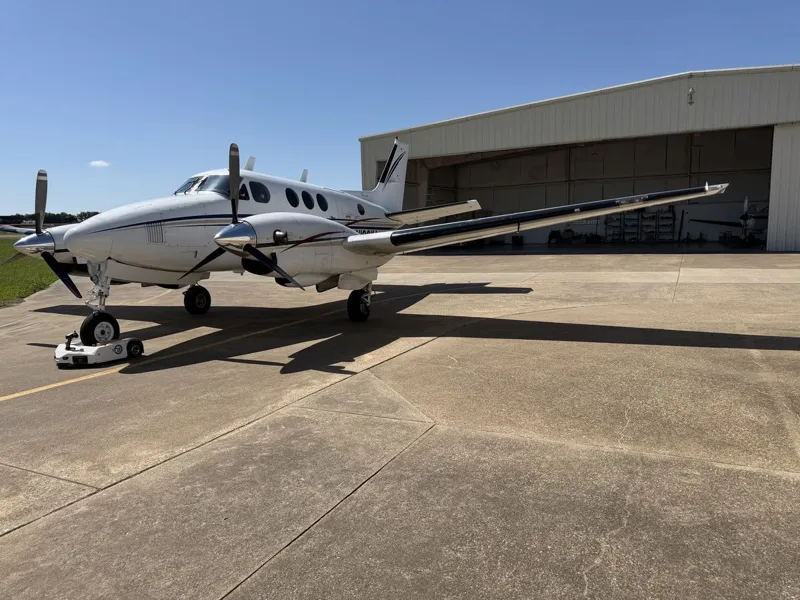
|
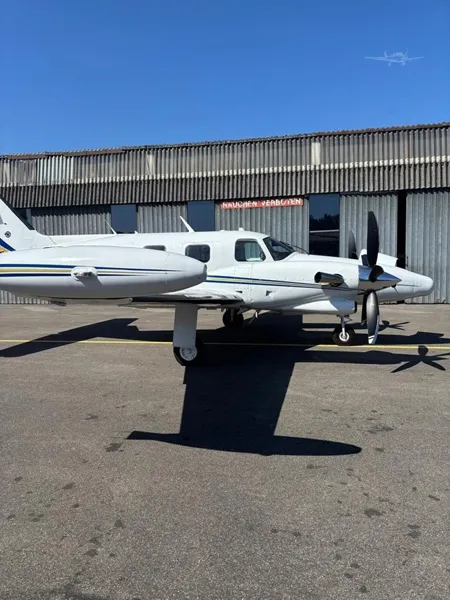
|
|
| Price Range | $413,000 – $3,117,025 | $496,200 – $1,505,955 |
| Category | Multi Engine Turboprop | Multi Engine Turboprop |
| Model Specifications | ||
| Seats | 10 | 8 |
| Cruise Speed | 215 kts (398 km/h) | 240 kts (444 km/h) |
| Range | 1,060 nm (1,963 km) | 1,400 nm (2,593 km) |
| Service Ceiling | — | 31,000 ft (9,449 m) |
| Max Gross Weight | — | 9,050 lbs (4,105 kg) |
| Useful Load | 2,700 lbs (1,225 kg) | 2,900 lbs (1,315 kg) |
| Fuel Capacity | — | 365.0 gal (1382 L) |
| Fuel Burn | — | 55.0 GPH (208 L/h) |
| TBO | 3,600 hrs | 3,500 hrs |
| Overhaul Cost | — | $300,000 |
| Annual Fixed | — | $100,000 |
| Hourly Variable | — | $650 |
| Engines | 2 x Turboprop | 2 x Turboprop |
Cost of Ownership
EstimateBeechcraft King Air 90
Piper Cheyenne
Which Should You Buy: Beechcraft King Air 90 or Piper Cheyenne?
Bottom line: Choose the King Air 90 for the dramatically larger active support network, stronger residuals and proven Beechcraft cabin. Choose the Cheyenne for materially lower acquisition cost when thin parts support is acceptable.
Pick the King Air 90 if…
- Budget matters — from $413,000 vs $496,200, you save ~$83,200.
- More seats — 10 vs 8.
- More inventory — 108 listings vs 24.
Pick the Cheyenne if…
- Faster cruise — 240 kts vs 215 kts.
- Longer range — 1400 nm vs 1060 nm.
- Newer design — production from 1974 vs 1966.
Auto-generated from current market data and published specs. Confirm with a pre-buy inspection and professional appraisal.