
Piper Saratoga vs Commander 114
The Commander 114 and Piper Saratoga compare two roomy retractable-single haulers.
Live Market Snapshot
Current asking-price market, aggregated across multiple marketplaces · refreshed daily
- For sale now
- 170
- Median asking
- $226,400
- Range
- $115,250–$495,525
- Listed on 2+ marketplaces
- 64
- Source marketplaces
- 15
- Model years available
- 1965–2007
- For sale now
- 13
- Median asking
- $207,000
- Range
- $109,500–$278,350
- Listed on 2+ marketplaces
- 7
- Source marketplaces
- 6
- Model years available
- 1976–1996
Live data from AeroGurus, aggregated daily across the used-aircraft market. Figures are current asking prices, not appraisals — confirm with a pre-buy inspection.
Safety Record
Absolute counts scale with fleet size — the most-produced types log more events without being less safe. Compare the % fatal.
| NTSB (1982–now) | Piper Saratoga | Commander 114 |
|---|---|---|
| All events | 1 | 12 |
| Serious | 0 | 1 |
| Fatal | 0 | 7 |
| Fatalities | 0 | 19 |
| % Fatal | 0% | 58% |
Full Specs Comparison
| Spec / Model | Piper Saratoga | Commander 114 |
|---|---|---|
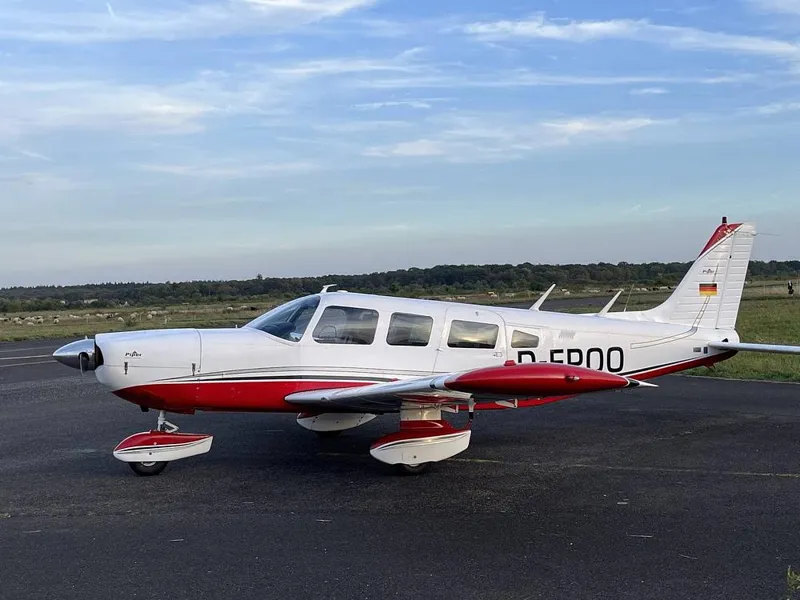
|
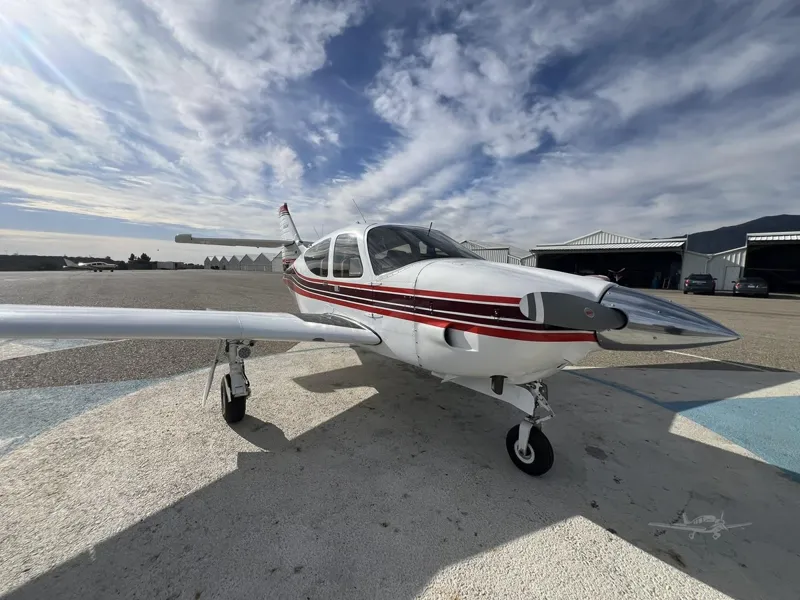
|
|
| Price Range | $115,250 – $495,525 | $109,500 – $278,350 |
| Category | Single Engine Piston | Single Engine Piston |
| Model Specifications | ||
| Seats | 6 | — |
| Horsepower | 300 HP | — |
| Cruise Speed | 163 kts (302 km/h) | 155 kts (287 km/h) |
| Range | 950 nm (1,759 km) | 600 nm (1,111 km) |
| Service Ceiling | 20,000 ft (6,096 m) | — |
| Max Gross Weight | 3,600 lbs (1,633 kg) | 3,250 lbs (1,474 kg) |
| Useful Load | 1,360 lbs (617 kg) | — |
| Fuel Capacity | 102.0 gal (386 L) | — |
| Fuel Burn | 15.0 GPH (57 L/h) | 10.0 GPH (38 L/h) |
| TBO | 2,000 hrs | 2,000 hrs |
| Overhaul Cost | $32,000 | $30,000 |
| Annual Fixed | $20,000 | $18,000 |
| Hourly Variable | $170 | $145 |
| Engines | 1 x Piston | — |
Cost of Ownership
EstimatePiper Saratoga
Commander 114
Which Should You Buy: Piper Saratoga or Commander 114?
Bottom line: Choose the Saratoga for a club-cabin six-seat layout and big load; choose the Commander 114 for a wide four/five-seat cabin, stable handling and value. Saratoga = 6-seat/load; Commander = cabin/value.
Pick the Saratoga if…
- Faster cruise — 163 kts vs 155 kts.
- Longer range — 950 nm vs 600 nm.
- Newer design — production from 1980 vs 1968.
- More inventory — 171 listings vs 8.
Pick the 114 if…
- Budget matters — from $109,500 vs $115,250, you save ~$5,750.
- Lower operating cost — ~$145/hr vs $170/hr.
Auto-generated from current market data and published specs. Confirm with a pre-buy inspection and professional appraisal.